
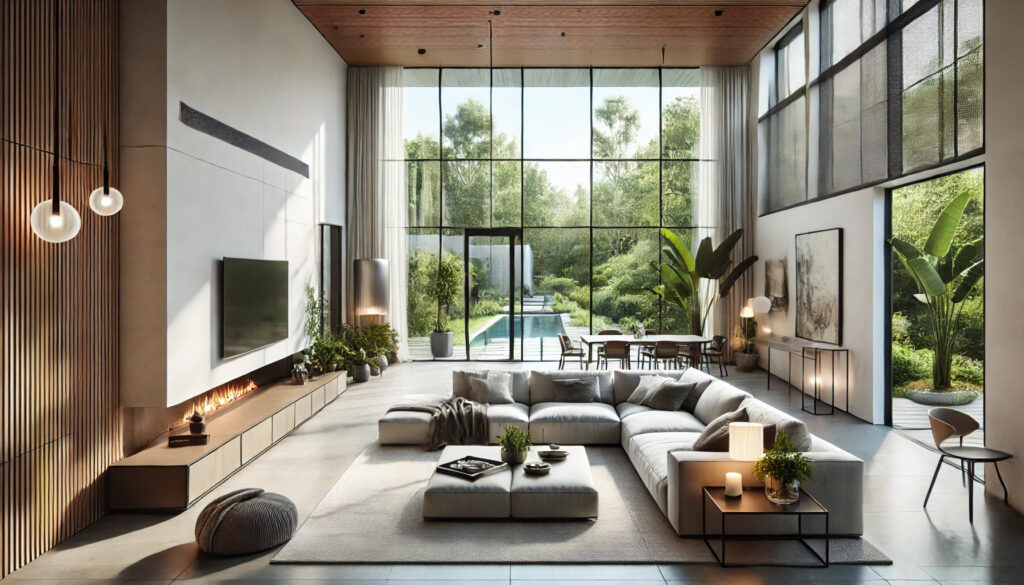
Creating a well-thought-out interior design quote is an essential step in any design project. Quotes serve as roadmaps for both the designer and the client, ensuring that the vision, objectives, and details are clear from the beginning. Interior design quotes outline everything from the project’s concept to the budget, helping align expectations and creating a foundation for a successful project.
Quotes are also often called interior design proposals or interior design estimates. The terms are interchangeable but for clarity we’ll use ‘quote.’
Let’s discuss what an interior design quote is, how it’s structured, and the key elements it includes. We’ll also explore how quotes are used and provide some practical tips for crafting them effectively.
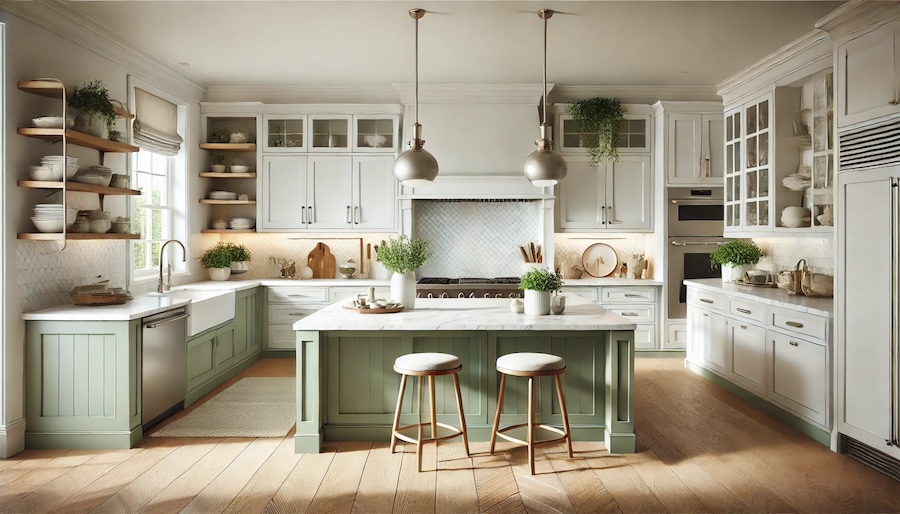
1. What Is an interior design quote?
An interior design quote is a formal document that outlines the scope, objectives, design plans, and budget for an interior design project. It acts as a professional agreement between the designer and the client, detailing the vision for the space, the costs involved, and the project timeline.
The quote is essentially a blueprint that ensures both parties are on the same page, providing a clear direction from start to finish. It lays out the creative and logistical aspects of the project, allowing the designer to present ideas while addressing the client’s preferences and budget constraints.
Think of the quote as a ‘this is what I’m going to do, and how I’ll charge for it’ document.
2. Why are interior design quotes important?
Interior design quotes are critical for both the designer and the client, as they help streamline the project’s execution and ensure clarity from the start. Here’s why they are so important:
2.1 Clear vision and direction
– Defined Goals: The quote outlines the overall vision of the project, ensuring that both the client and designer have the same sense of outcome for the project.
– Design Style: It includes details about the design style, color schemes, materials, and furniture, helping guide the aesthetic decisions throughout the process.
2.2 Budgeting and resource management
– Cost Breakdown: The quote includes a budget estimate, allowing clients to see a detailed breakdown of costs associated with materials, labor, and other design elements. This can be grouped by specific areas of a project, or phases of a project.
– Resource Allocation: It helps the designer manage resources, ensuring that materials and personnel are aligned with the project scope.
– Estimate time and expense charges and then accrue them to budget in DesignerLogic.
2.3 Client and designer communication
– Expectations: The quote sets clear expectations for both the designer and client, covering the deliverables, timelines, and budget constraints.
– Agreement: It serves as an official agreement that outlines responsibilities, timelines, and the overall scope of the work.
– DesignerLogic’s client portal allows for uploading and sharing documents, getting approval on items, and presenting quotes and proposals.
3. Key components of an interior design quote
A comprehensive interior design quote should contain the following key elements:
3.1 Project overview
– Scope of Work: Clearly define the space to be designed, the goals of the project, and the overall design objectives.
– Client Needs: Include a section that outlines the specific needs and desires of the client based on the initial consultation.
3.2 Design concept
– Style and Inspiration: This section elaborates on the design theme, color palette, and overall style (e.g., modern, minimalist, rustic) of the project.
– Mood Boards and Sketches: Visual representations like mood boards or concept sketches are often included to provide the client with a glimpse of the envisioned space.
– DesignerLogic offers a web clipper and other interior design management tools to help create accurate, inspired quotes.
3.3 Budget estimate
– Cost breakdown: A detailed breakdown of all expenses related to materials, furnishings, labor, and any other costs associated with the project.
– Flexible options: Offer a few different pricing tiers or options to accommodate varying budgets, which may include high-end, mid-range, and budget-friendly alternatives. Quotes are almost always modified, based on the client’s reactions to options they’re presented with.
3.4 Timeline and milestones
– Project phases: Break down the project into phases, such as design planning, procurement, construction, and installation.
– Milestones: Highlight key deadlines and deliverables, ensuring both the client and design team know what to expect at each stage.
– Utilize DesignerLogic’s Gantt chart and projection tools to view your projects over time, going forward.
3.5 Materials and resources
– Furniture and Decor: Include detailed information on the types of furniture, decor items, and finishes that will be used.
– Material Samples: Provide samples or images of key materials, such as textiles, flooring, or cabinetry, to give the client a tactile and visual sense of the space.
– Take advantage of over 7,000 interior design suppliers and sources, built into DesignerLogic.
4. How to Use an interior design quote
An interior design quote serves multiple functions beyond just being a formal document:
4.1 Client onboarding
– Presentation tool: Use the quote as a presentation to introduce the project’s direction to the client, ensuring they understand the design vision.
– Approval Document: Once agreed upon, the quote can be signed as a binding agreement, giving both parties a clear understanding of expectations.
4.2 Project management tool
– Project Roadmap: Designers can refer back to the quote throughout the project to ensure that all elements align with the original plan.
– Track Milestones: The timeline section serves as a guide to track progress and ensure deadlines are met.
– DesignerLogic offers comprehensive project management for quotes/proposals, and more.
4.3 Quote for revisions
– Change Orders: If adjustments or changes need to be made during the project, the quote can be amended and used as the basis for issuing change orders or revised agreements.
5. Tips for creating an effective interior design quote
Here are some tips to make your interior design quote stand out and serve as an effective tool:
– Be Detailed but Concise: Provide enough detail for clarity, but keep it focused and easy to digest. Avoid overloading the client with too much information at once.
– Use Visual Aids: Include visual elements like mood boards, sketches, or 3D renderings to help clients visualize the end result.
– Personalize It: Tailor each quote to the client’s specific needs, desires, and personality. Avoid generic templates and incorporate personal touches to make it more engaging.
– Highlight Flexibility: Offer flexible design and budget options, giving clients choices that allow for adjustments while keeping the core vision intact.
– Clear and Professional Language: Ensure that the quote is written in clear, professional language without jargon or ambiguity.
6. Conclusion
An interior design quote is not just a document; it’s a critical tool for ensuring the success of a design project. It provides clarity on the vision, defines roles and responsibilities, and ensures that both the designer and the client have a shared understanding of the project’s scope and goals. By carefully crafting a detailed and visually compelling quote, designers can foster trust and collaboration with their clients, setting the stage for a successful and harmonious interior design project. Get your project started on the right foot by nailing the quote!